How to keep a baki khata: what goes in each column, and how to keep dues down
Date, customer name and number, items, amount, paid and running balance: the six columns of a proper due book, a sample page, and how to keep dues down without a "no credit" sign.
2 min read
On this page
In short: give every customer their own page. On each line write the date, the items, the amount, what they paid, and the running balance at the end of the line. Put the customer's mobile number at the top. Read the amount out to the customer on every credit sale. And set each customer a limit you will not go past.
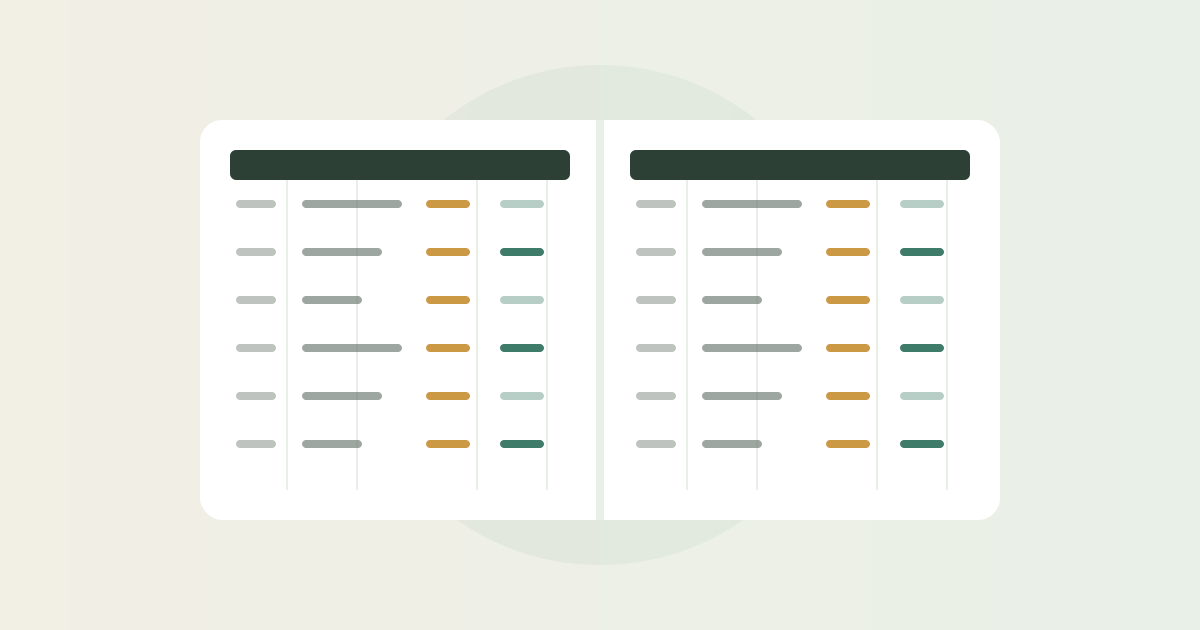
The six columns of a proper due book
| Date | Items | Amount | Paid | Balance | Note |
|---|---|---|---|---|---|
| 02/11 | Rice 5 kg, oil 1 L | 650 | 0 | 650 | |
| 05/11 | Sugar 2 kg | 280 | 300 | 630 | Cash 300 |
| 10/11 | Soap, biscuits | 190 | 0 | 820 | |
| 15/11 | 500 | 320 | bKash 500 |
The balance column matters most: previous balance + new amount − paid. Line one is 650. Line two is 650 + 280 − 300 = 630. Line three is 630 + 190 = 820. Line four is 820 − 500 = 320.
At the top of the page write the customer's name, mobile number, address and credit limit.
Mistakes people make
- Amount without items: later the customer says "I never took that much." Writing the items ends most arguments.
- Payments kept elsewhere: a payment noted in another book or on a scrap of paper makes the balance wrong.
- No running balance: without one you add up everything at month end, and make mistakes.
- Several people writing: nobody can tell who wrote which line.
Keeping dues down without a "no credit" sign
Stopping credit altogether often sends regular customers to another shop. Instead:
- Set a limit per customer. For someone who pays once a month from their salary, about one month's shopping.
- Agree a collection day. "By the 5th of the month."
- Remind on time. A short message with the exact amount, without embarrassment.
- Old dues first. Ask for part of the old balance before more credit.
More on collecting: How to collect dues in a shop.
When the khata moves to a phone
A paper book keeps three problems: addition mistakes, lost books, and no view of who has owed for how long. In Bisnesy a credit sale lands on the customer's ledger with the items, the balance works itself out, and part payments clear the oldest bills first. Dues show by age, and the owner gets a daily list of overdue invoices. From the customer's page one tap sends a WhatsApp or SMS reminder with the exact amount. Each customer can have a limit, and you choose whether a bill past the limit asks first or is blocked.
See: Baki khata app.
- বাকি খাতা লেখার নিয়ম
- baki khata
- বাকির খাতা
- দোকানে বাকি দেওয়া নিষেধ
- বাকি দেওয়া বন্ধ
- baki payment
- বাকি টাকা
- due book format
- credit sales record