Digital baki khata: a simple system to stop losing money on customer dues
Dues go missing for three reasons: the sale was never written down, the sum was wrong, or nobody asked for the money. A digital due book closes all three. Here is how, step by step.
3 min read
Updated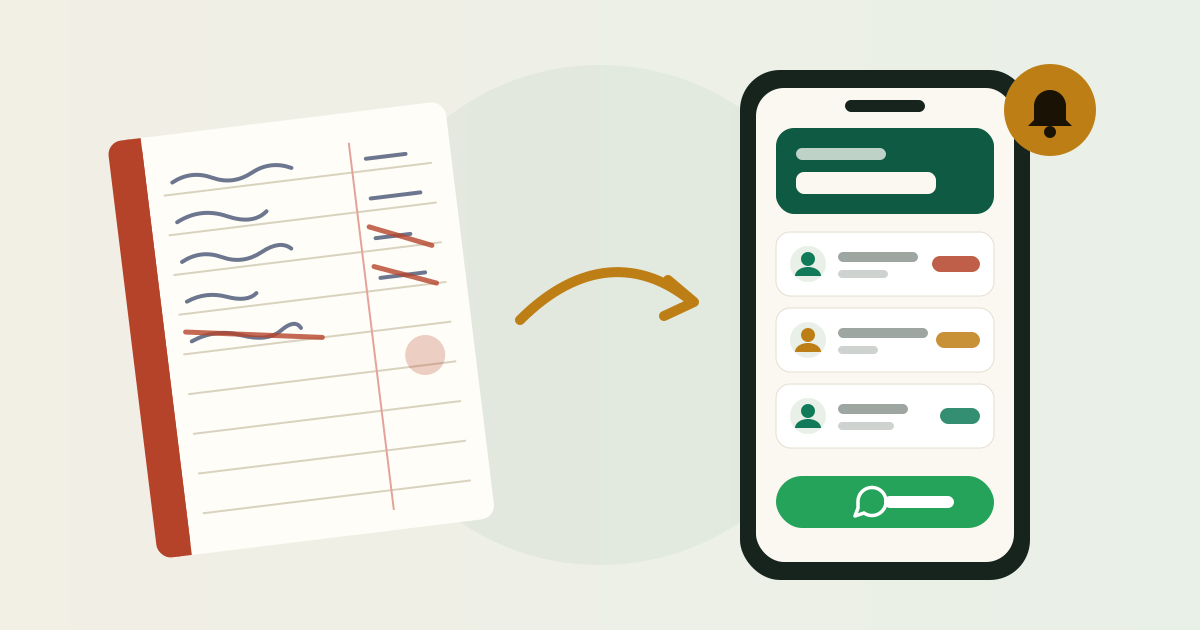
On this page
Short answer: in a digital due book every credit sale lands on the customer's account at the moment you bill it, a payment reduces the balance by itself, and you can see at a glance who has owed what for how long. Forgetting to write it down, adding it up wrong and never chasing the money all go away.
Where the paper due book loses money
Most shopkeepers know roughly how much is owed to them, but not the exact figure. A paper book leaks in three places:
- Never written down: a credit sale in the rush hour that nobody recorded.
- Wrong arithmetic: a customer pays in small amounts and the crossings-out stop adding up.
- Never chased: a three-month-old due buried on an old page.
Add to that a lost or water-damaged book, or a customer reading other people's dues over your shoulder.
How a digital due book works
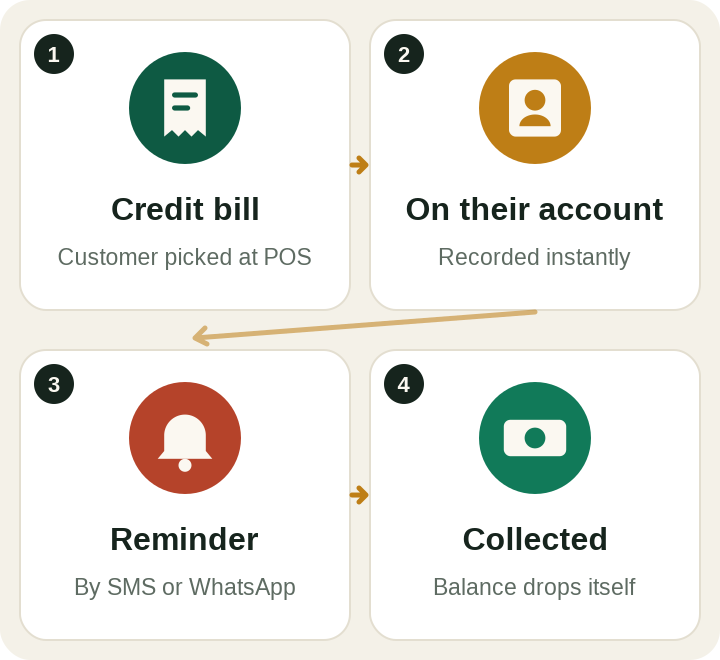
- The due is recorded at billing. Choose the customer at the POS, take the sale on credit, and it is on their account. Nothing to copy later.
- Part payments reduce it. When a customer pays 500 taka, you record the payment and the balance drops by itself.
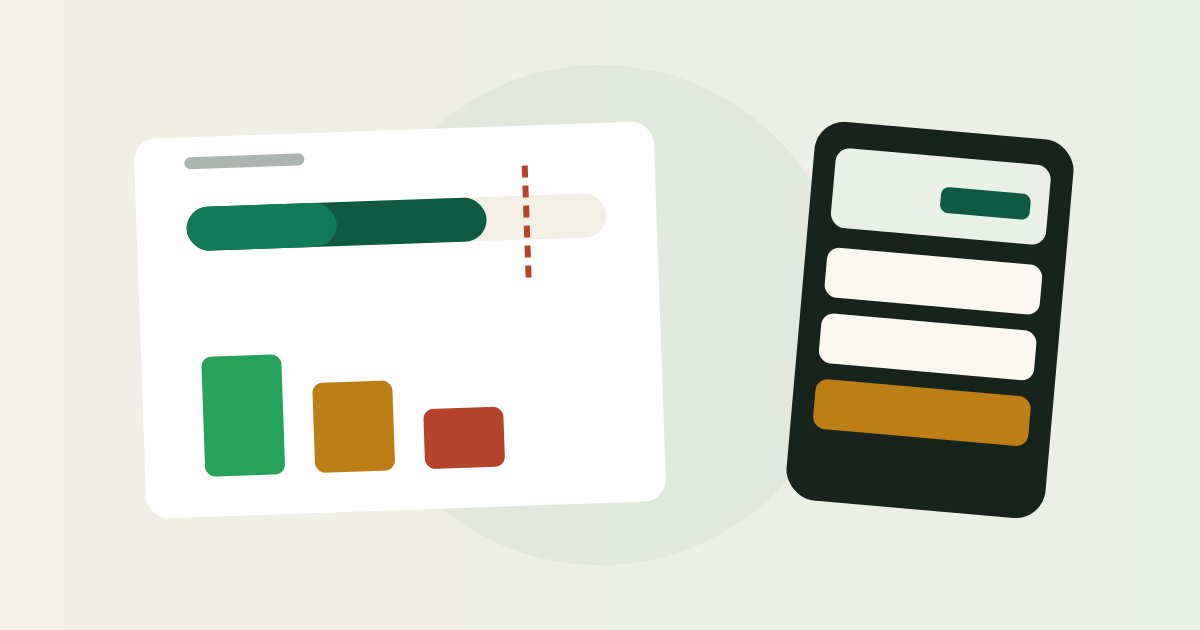
- Ageing. Dues are grouped by age (over 30, 60, 90 days), so the old ones get chased first.
- One-tap reminders. A polite SMS or WhatsApp message with the exact amount goes to the customer.
- Statements. When a customer disputes a balance, show or print every bill and payment with dates.
Supplier dues in the same place
What you owe your suppliers works the same way. A purchase on credit goes to the supplier's account and comes down when you pay. At month end there is no hunting for who needs paying.
Five habits that shrink dues
- Set a credit limit, smaller for new customers.
- Once a week, look at dues older than 30 days.
- Send reminders early in the month, when salaries have just been paid.
- Record a part payment the moment it is made, not later.
- When a balance is disputed, show the statement instead of arguing.
In Bisnesy the due book is part of the POS: every credit sale goes to the customer's account, dues are listed by age, statements print in Bangla or English, and reminders go by SMS or WhatsApp in one tap. More on due management.
Frequently asked questions
Is a digital due book safer than paper?
Yes. A book can be lost or soaked; a digital one lives on the server and you can keep a full backup yourself. Every entry also records who made it.
Can customers see their own dues?
If you switch it on, a customer can check their balance with their mobile number, and verify any bill from the QR code printed on it.
How do I move dues from my old book?
Enter each customer's existing balance as their opening balance when you add them. With many customers, import them from a spreadsheet in one go.
- baki khata
- due management
- customer dues
- credit sales
- receivables